Top Circular Walks Northumberland: 7 Must-Explore Routes
- Brendon Hayward
- Jul 5, 2025
- 13 min read
Northumberland, a land of sweeping coastline, ancient history, and wild, open spaces, is a walker's paradise. The true magic, however, lies in its circular routes, journeys that begin and end in the same spot, allowing you to fully immerse yourself without the hassle of backtracking or arranging transport. These walks are more than just a trail; they are complete stories, wrapping you in landscapes of dramatic castles, Roman frontiers, and windswept hills before returning you to your starting point. This structure makes for a perfect, self-contained day of exploration.
This guide is curated for explorers of every kind. Whether you're seeking a gentle coastal stroll with your family, a challenging hike to a county high point, or a historical pilgrimage along Hadrian's Wall, we've mapped out the most unforgettable circular walks Northumberland has to offer. Each entry provides a unique window into the soul of this incredible county, complete with all the essential details needed for a successful outing. You'll find practical information on distance, difficulty, terrain, and crucial tips to help you plan your adventure with confidence. Let's step onto the path and discover the routes that showcase the very best of England’s most northern county.
1. Hadrian's Wall Path: Housesteads to Steel Rigg
Embark on what is arguably one of the most spectacular circular walks Northumberland has to offer, tracing the spine of a UNESCO World Heritage Site. This route follows the iconic Hadrian's Wall, showcasing Housesteads, the best-preserved Roman fort in Britain. It's a journey through time, where every step combines ancient history with the dramatic, soul-stirring landscapes of Northumberland National Park.
The walk along the famous Whin Sill escarpment offers those classic, breathtaking views you've seen in photographs, making it an essential Northumbrian experience. You’ll be walking directly on a piece of history that has captivated visitors for centuries, from school educational groups to professional photography tours seeking that perfect golden-hour shot.
Walk Highlights and Practical Details
This route is moderately challenging due to its undulating and often uneven terrain, but the rewards are immeasurable. The path takes you past the much-photographed Sycamore Gap and provides panoramic views across the rugged countryside. The sense of scale and history is truly profound.
For a quick reference, this summary box highlights the key data for the Housesteads to Steel Rigg circular walk.
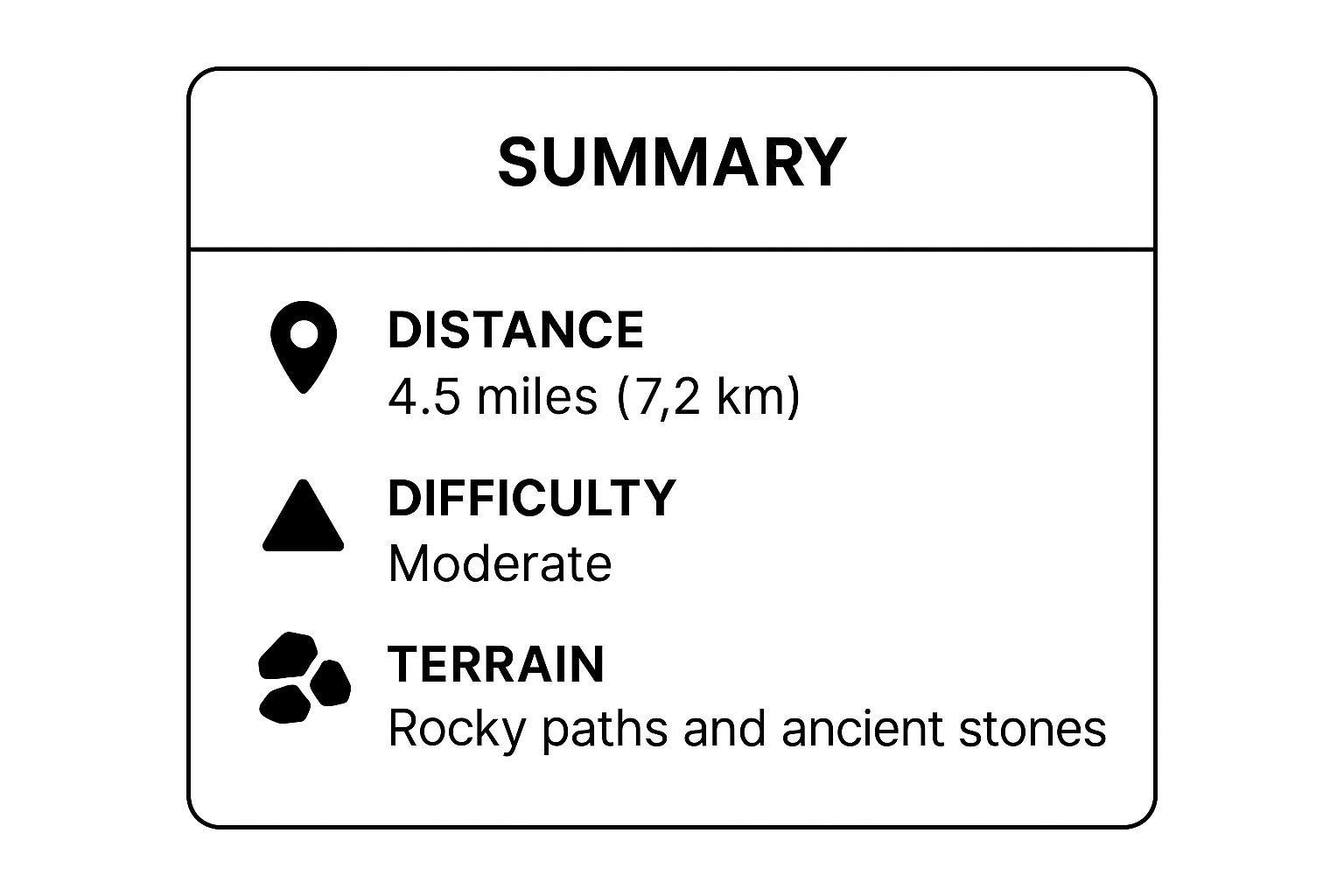
As the infographic shows, the moderate difficulty and rocky terrain mean sturdy footwear is essential for a safe and comfortable walk.
Tips for Your Walk
To make the most of your visit, consider these practical tips:
Timing is Key: Visit early in the morning or late afternoon for the best light and fewer crowds.
Footwear First: Wear sturdy walking boots with good grip for the uneven, rocky terrain.
Layer Up: The weather on the exposed wall can change in an instant, so bring waterproofs and extra layers.
Explore the Fort: Consider an English Heritage membership for free entry to Housesteads Fort. Allow a full 3-4 hours to properly enjoy the walk and explore the site.
For a more comprehensive look at planning your visit, you can explore this Hadrian's Wall guide for 2025 which covers everything from stays to walks.
2. Simonside Hills from Lordenshaws
Venture into the heart of Northumberland's rugged moorlands with a classic fell walk to the summit of the Simonside Hills. This route begins at Lordenshaws, an area rich in ancient history, featuring some of the best-preserved prehistoric cup and ring marked stones in Britain. It’s a captivating blend of archaeological intrigue and raw, natural beauty, offering some of the finest upland scenery in the region.
The walk delivers an authentic taste of Northumberland's wilder side, taking you across heather-clad slopes to the distinctive sandstone crags of Simonside. The commanding views from the top, stretching across the Coquet Valley and towards the Cheviot Hills, make this one of the most rewarding circular walks Northumberland has to offer. It's a firm favourite with local walking groups and a regular feature in regional guidebooks for good reason.
Walk Highlights and Practical Details
This route is moderately challenging, involving a steady climb to the ridge and some boggy sections after wet weather. The path is generally well-defined but requires careful navigation, especially on the open moorland. Reaching the summit cairn provides a profound sense of achievement and a stunning 360-degree panorama.
For a quick reference, this summary box highlights the key data for the Simonside Hills circular walk.
As the summary suggests, the terrain varies significantly, so appropriate footwear is a must to handle both the rocky ridge and the potentially wet ground below.
Tips for Your Walk
To ensure a safe and enjoyable walk up Simonside, keep these tips in mind:
Check the Forecast: The views are the main reward, so aim for a clear day. The weather can change quickly on the exposed tops.
Navigate with Care: While the path is clear in places, a map and compass (and knowing how to use them) are essential for the moorland sections.
Protect Your Feet: Waterproof walking boots are a good idea, and gaiters are highly recommended, especially after rain.
Explore Lordenshaws: Before you start the climb, take time to explore the ancient rock art near the car park – it’s a fascinating glimpse into a distant past.
You can discover more routes like this by exploring a curated list of the best Northumberland walking trails for 2025, which offers further inspiration for your adventures.
3. Cragside and Debdon Valley
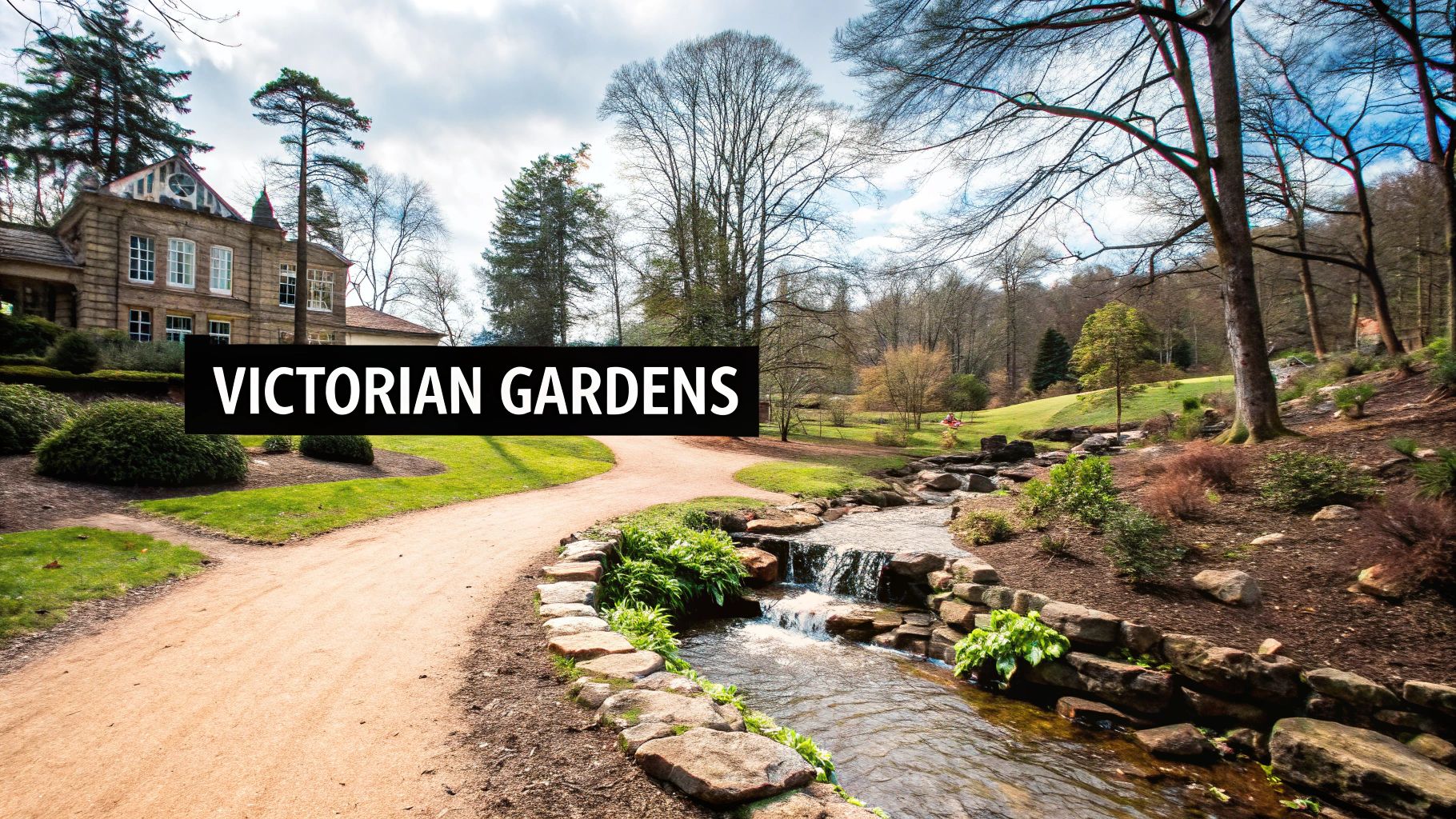
Step into a Victorian masterpiece of engineering and landscape design with this circular walk through the magnificent Cragside estate. This route explores the ground-breaking vision of Lord Armstrong, taking you through a landscape sculpted for both beauty and utility. You will wander through formal gardens, dense woodlands, and alongside the serene Debdon Burn, experiencing first-hand the innovation that powered this incredible country house.
This walk offers a unique blend of natural woodland and curated horticultural marvels, including one of Europe's largest rock gardens. It’s a route that appeals equally to garden enthusiasts, history buffs, and those simply seeking a beautiful woodland stroll, making it a truly versatile choice among circular walks in Northumberland.
Walk Highlights and Practical Details
The route is a journey through a living museum, showcasing the genius of 19th-century hydro-electrics and landscape architecture. The paths are generally well-maintained, passing by charming iron bridges, tumbling cascades, and offering glimpses of the impressive Cragside House itself. The scale of the planting, with towering conifers and vibrant rhododendrons, is truly breathtaking.
The mix of gentle paths and some steeper woodland sections makes this a moderate walk, suitable for most abilities. Keep an eye out for local wildlife as you explore the quieter parts of the estate; you can discover more about Northumberland's nature by reading our guide to top spots for nature lovers in 2025.
Tips for Your Walk
To ensure a fantastic visit to this flagship National Trust property, keep these tips in mind:
Best Time to Visit: The rhododendron season from late May to June is spectacular, transforming the landscape into a riot of colour.
Footwear Choice: Wear sturdy walking shoes or boots, as some woodland paths can be muddy and uneven, especially after rain.
Membership Benefits: A National Trust membership provides free entry, which is excellent value if you plan to visit the house and gardens.
Plan a Full Day: Allow at least 2-3 hours for the walk alone, but consider extending your visit to include a full tour of the house to appreciate Lord Armstrong's innovations.
4. The Cheviot from Langleeford
Prepare for the ultimate Northumberland hill walk, a challenging but deeply rewarding ascent to the county's highest point. This demanding circular route takes you to the summit of The Cheviot, standing proud at 815 metres. It’s a true wilderness expedition that crosses the England-Scotland border, offering a profound sense of isolation and achievement.
This walk is not just about reaching a peak; it's an immersion into one of England's most remote landscapes. The journey through the Harthope Valley and up to the distinctive, peat-covered summit plateau is an experience that serious hill walkers and adventurers seek out. Conquering The Cheviot is a celebrated accomplishment, a must-do for anyone looking to fully explore the wild heart of Northumberland.
Walk Highlights and Practical Details
This is a strenuous and challenging walk, requiring excellent navigation skills and a high level of fitness. The route involves a significant ascent, boggy terrain at the summit, and exposure to unpredictable mountain weather. The payback is unparalleled, with panoramic views stretching across the Cheviot Hills and into the Scottish Borders.
The sense of solitude and raw nature is what makes this one of the most memorable circular walks Northumberland can offer. It's a test of endurance that rewards you with an unforgettable perspective on the region's untamed beauty.
Tips for Your Walk
Safety and preparation are paramount for this walk. Do not attempt it without the right experience and equipment.
Navigation is Non-Negotiable: Carry a map, compass, and a fully charged GPS device. The summit plateau is notoriously difficult to navigate in poor visibility.
Inform Someone: Always leave your route details and expected return time with a reliable person.
Essential Gear: Wear waterproof walking boots and gaiters to handle the boggy ground. The weather can change rapidly, so pack full waterproofs, extra layers, a hat, and gloves, regardless of the forecast.
Plan Your Time: Allow a full 6-8 hours for this strenuous route. Start early to ensure you have plenty of daylight.
For those planning this epic adventure, discovering other vantage points can enhance your trip. You can find more inspiration by exploring the best scenic viewpoints in Northumberland.
5. Ros Castle and Chillingham Park
This fascinating circular walk offers a superb combination of ancient history, stunning landscapes, and unique wildlife. The route takes you to the summit of Ros Castle, the site of an impressive Iron Age hill fort, before looping around the perimeter of Chillingham Park, home to the world's only surviving herd of wild cattle. It's a journey that connects you with Northumberland’s deep past and its wild heart.
The walk provides some of the most extensive panoramic views in the county, stretching across the Till Valley towards the majestic Cheviot Hills. This route is popular with historical societies and wildlife enthusiasts alike, often featured in documentaries for its archaeological significance and the famous Chillingham Wild Cattle. It’s a rewarding choice for those seeking one of the more varied circular walks Northumberland has to offer.
Walk Highlights and Practical Details
The route is generally considered moderate, with a steady climb to the top of Ros Castle, but the 360-degree viewpoint from the summit is more than worth the effort. From this vantage point, you can trace the coastline and spot landmarks like Bamburgh Castle and the Farne Islands on a clear day. The chance to see the ancient white cattle in their natural parkland habitat adds a truly special element to the experience.
For a summary of this route's key details, refer to the box below.
Given the terrain and potential for mud, waterproof walking boots are highly recommended for a comfortable and safe journey.
Tips for Your Walk
To make the most of your visit to Ros Castle and Chillingham Park, consider these practical tips:
Bring Binoculars: They are essential for getting a closer look at the Chillingham Wild Cattle from a safe distance and for spotting other wildlife.
Respect Private Land: The path skirts Chillingham Park, which is private. Stick to the designated footpaths and keep dogs on a lead.
Check Opening Times: If you have time, a visit to the supposedly haunted Chillingham Castle is a great addition, but check its seasonal opening times in advance.
Best Viewing Times: Early morning or late evening offers the best chance of spotting wildlife and provides beautiful, soft light for photography.
For more ideas on exploring the region's heritage, you can find inspiration in this guide to Northumberland's historic sites for 2025.
6. Bamburgh Castle and Beach Circuit
Experience one of the most iconic and visually stunning circular walks Northumberland has to offer, combining the grandeur of a historic castle with the wild beauty of its coastline. This route centres around the magnificent Bamburgh Castle, perched dramatically on a dolerite outcrop, providing a backdrop that feels lifted from a fantasy novel. It’s a walk that perfectly encapsulates the soul of the Northumberland Coast Area of Outstanding Natural Beauty.
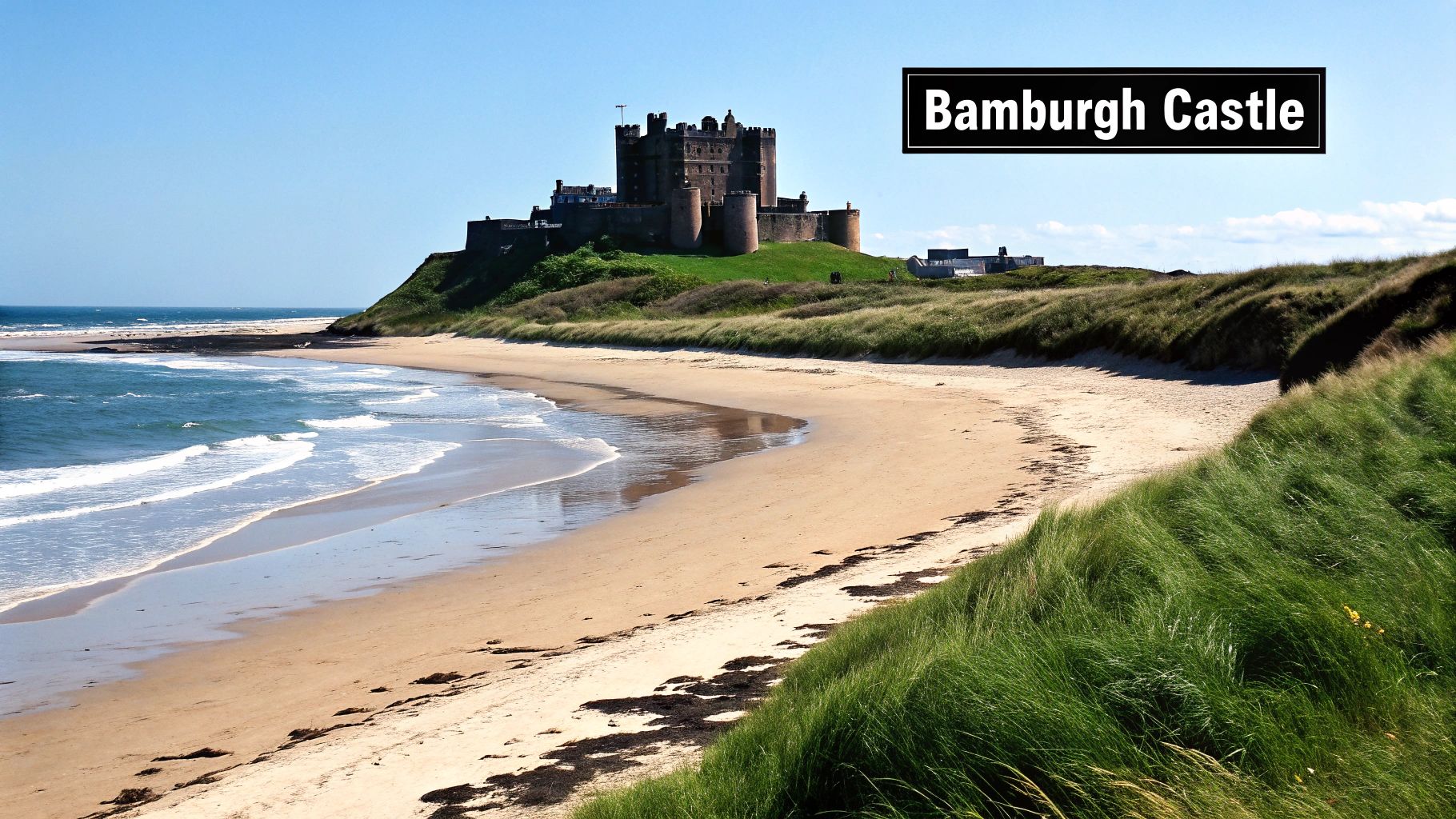
The circuit takes you along the pristine sands of Bamburgh Beach, with breathtaking views across to the Farne Islands and the distant silhouette of Holy Island. The castle’s imposing presence makes it a favourite location for film crews, wedding photographers, and coastal photography workshops, ensuring every view is picture-perfect. This walk is relatively easy, making it accessible for families and casual walkers alike.
Walk Highlights and Practical Details
This gentle walk offers a powerful combination of history and nature. The vast, sweeping beach provides ample space to enjoy the sea air, while the path through the dunes offers a different perspective on the castle and coast. The sense of walking in the shadow of such a formidable and ancient fortress is truly memorable.
For a quick reference, this summary box highlights the key data for the Bamburgh Castle and Beach Circuit. This is an essential walk for anyone wanting to capture the quintessential Northumbrian coastal scene.
Distance: Approx. 3 miles (5 km)
Time: 1.5 - 2.5 hours
Difficulty: Easy
Start Point: Bamburgh village or beach car park
Terrain: Sandy beach, grassy dunes, and pavement
Highlights: Bamburgh Castle, views to Farne Islands, vast sandy beach
Tips for Your Walk
To get the most from this coastal circular walk, keep these tips in mind:
Check the Tides: Plan your walk around low tide to enjoy the maximum expanse of firm sand.
Windproof Clothing: The coast can be very exposed and windy, even on a sunny day, so a windproof jacket is essential.
Golden Hour: For the most spectacular photos, walk during the golden hour (early morning or late afternoon) when the light illuminates the castle beautifully.
Castle Visit: Enhance your experience by purchasing a ticket to explore Bamburgh Castle. Allow an extra 2-3 hours to fully appreciate its history and grounds.
7. Dunstanburgh Castle from Craster
Set out on a dramatic coastal circular walk that leads to one of England's most romantically ruined castles. Starting from the charming fishing village of Craster, renowned for its oak-smoked kippers, the route follows the rugged Northumberland coastline northwards. The destination is the imposing silhouette of the 14th-century Dunstanburgh Castle, a sight that has inspired artists and photographers for generations.
This walk perfectly captures the raw, untamed beauty of the Northumberland coast. The path provides spectacular cliff-top views, passing by rocky shores and showcasing the dramatic interplay between land, sea, and sky. It is a firm favourite for those seeking one of the best coastal circular walks Northumberland can provide, often featured in historical documentaries and coastal photography workshops.
Walk Highlights and Practical Details
This is a relatively easy and mostly flat walk, making it accessible for most abilities, but the coastal setting means it's often exposed to the elements. The journey from the quaint harbour of Craster to the magnificent ruins is as rewarding as the destination itself, offering continuous sea views and the sound of crashing waves. The sense of approaching a historic sentinel guarding the coast is truly memorable.
The path is well-defined and follows the coastline, looping back inland for a varied return journey. The combination of a historic fishing village, a dramatic castle, and stunning coastal scenery makes this an essential Northumbrian experience.
Tips for Your Walk
To ensure a fantastic day out on this iconic coastal path, keep these tips in mind:
Taste the Tradition: Don’t leave Craster without trying the world-famous kippers from L. Robson & Sons smokery. It’s the perfect pre-walk fuel or post-walk reward.
Brace for the Breeze: The coastal path is very exposed. Windproof and waterproof clothing is highly recommended, even on a sunny day.
Capture the Castle: For the most atmospheric photos, plan your walk to coincide with the golden hour at sunrise or sunset when the light beautifully illuminates the castle ruins.
Check Castle Times: Dunstanburgh Castle is managed by English Heritage. Check their website for opening times and admission fees before you go to avoid disappointment. Allow 2-3 hours for the full walk, plus extra time to explore the castle grounds.
7 Circular Walks in Northumberland Comparison
Walk | Implementation Complexity | Resource Requirements | Expected Outcomes | Ideal Use Cases | Key Advantages |
|---|---|---|---|---|---|
Hadrian's Wall Path - Housesteads to Steel Rigg | Moderate: Well-maintained paths, some steep sections | Moderate: Sturdy boots, English Heritage membership advised | Rich Roman history experience, panoramic views | Moderate fitness hikers, history enthusiasts | UNESCO site, best-preserved Roman fort, excellent facilities |
Simonside Hills from Lordenshaws | Moderate to challenging: Some steep, rocky, boggy terrain | Moderate: Map, compass, waterproof gaiters recommended | Upland experience, panoramic summit views | Experienced walkers, archaeological interests | Rich archaeology, 360° views, good parking, well-marked paths |
Cragside and Debdon Valley | Easy to moderate: Woodland and garden paths | Low to moderate: Entry fee for National Trust, family suitable | Scenic Victorian gardens, industrial heritage appreciation | Families, garden enthusiasts | Well-maintained paths, good facilities, beautiful year-round |
The Cheviot from Langleeford | Very challenging: Rough terrain, peat bogs, exposed summit | High: Map, compass, GPS, navigation skills essential | Wilderness experience, highest county peak achievement | Experienced hikers, serious hill walkers | Highest peak, remote, spectacular views, border history |
Ros Castle and Chillingham Park | Moderate: Mix of grassland, woodland, some private land | Low: Binoculars recommended for wildlife viewing | Combined history and wildlife experience | Walkers interested in archaeology and nature | Unique wild cattle sightings, diverse terrain, moderate difficulty |
Bamburgh Castle and Beach Circuit | Easy: Sandy beaches and coastal paths | Low: Suitable for all fitness levels, check tides | Coastal castle views, beach experience | Families, casual walkers, photographers | Iconic castle, beach walking, good village facilities |
Dunstanburgh Castle from Craster | Easy to moderate: Coastal paths with cliff sections | Low to moderate: Windproof clothing advised | Dramatic castle ruins and coastal scenery | Casual walkers, history and maritime enthusiasts | Romantic castle, rich maritime history, good local pubs/cafes |
Your Northumbrian Adventure Starts Here
From the windswept crags of Hadrian's Wall to the golden sands of Bamburgh, we have journeyed through some of the most captivating landscapes England has to offer. This curated list of seven routes demonstrates the sheer diversity packed into this one county. Each loop, whether it's the challenging ascent of The Cheviot or the gentle coastal stroll to Dunstanburgh Castle, offers a complete and satisfying narrative. You begin and end in the same place, yet you return changed by the experience, carrying with you the echoes of history and the peace of the wild.
These circular walks in Northumberland are more than just a list of directions; they are a blueprint for discovery. They invite you to engage with the environment on an intimate level, following ancient drovers' roads, Roman fortifications, and paths trodden by generations of farmers and fishermen. The beauty of a circular walk lies in its self-contained nature, providing a sense of accomplishment and a full, rounded adventure without the logistical challenges of a linear path.
Making the Most of Your Walk
To truly immerse yourself in the experience, remember the key takeaways from our guide:
Plan Ahead: Always check the weather forecast, particularly for upland routes like Simonside or The Cheviot. Conditions can change rapidly, so appropriate gear is non-negotiable.
Respect the Landscape: Northumberland's beauty is fragile. Stick to marked paths, close gates behind you, and follow the Countryside Code to preserve this incredible environment for all to enjoy.
Embrace the Story: Each walk has a story to tell. Take time to read the information boards, imagine life at a Roman fort, or ponder the strategic importance of a coastal castle. This context transforms a simple walk into a rich historical exploration.
By choosing one of these routes, you are setting the stage for an unforgettable day. Whether you seek the solitude of the Cheviot Hills, the family-friendly intrigue of Cragside, or the iconic coastal views from Ros Castle, Northumberland delivers. The paths are waiting, the stories are embedded in the stones, and the dramatic scenery is ready to unfold before you. The only thing left to do is to choose your starting point, lace up your boots, and step into the heart of this magnificent county. Your personal Northumbrian adventure is not just a possibility; it’s an invitation.
After a day spent exploring the best circular walks Northumberland has to offer, return to a haven of comfort and tranquillity. At Fell Farm Hideaway, our cosy cabins provide the perfect basecamp to rest and recharge for your next adventure. Book your stay at Fell Farm Hideaway and make our peaceful corner of the countryside the heart of your unforgettable trip.
Comments