Off Grid Cabin Living: The Ultimate 2025 Guide for Couples, Families, and Nature Lovers
Updated: Jun 10, 2025
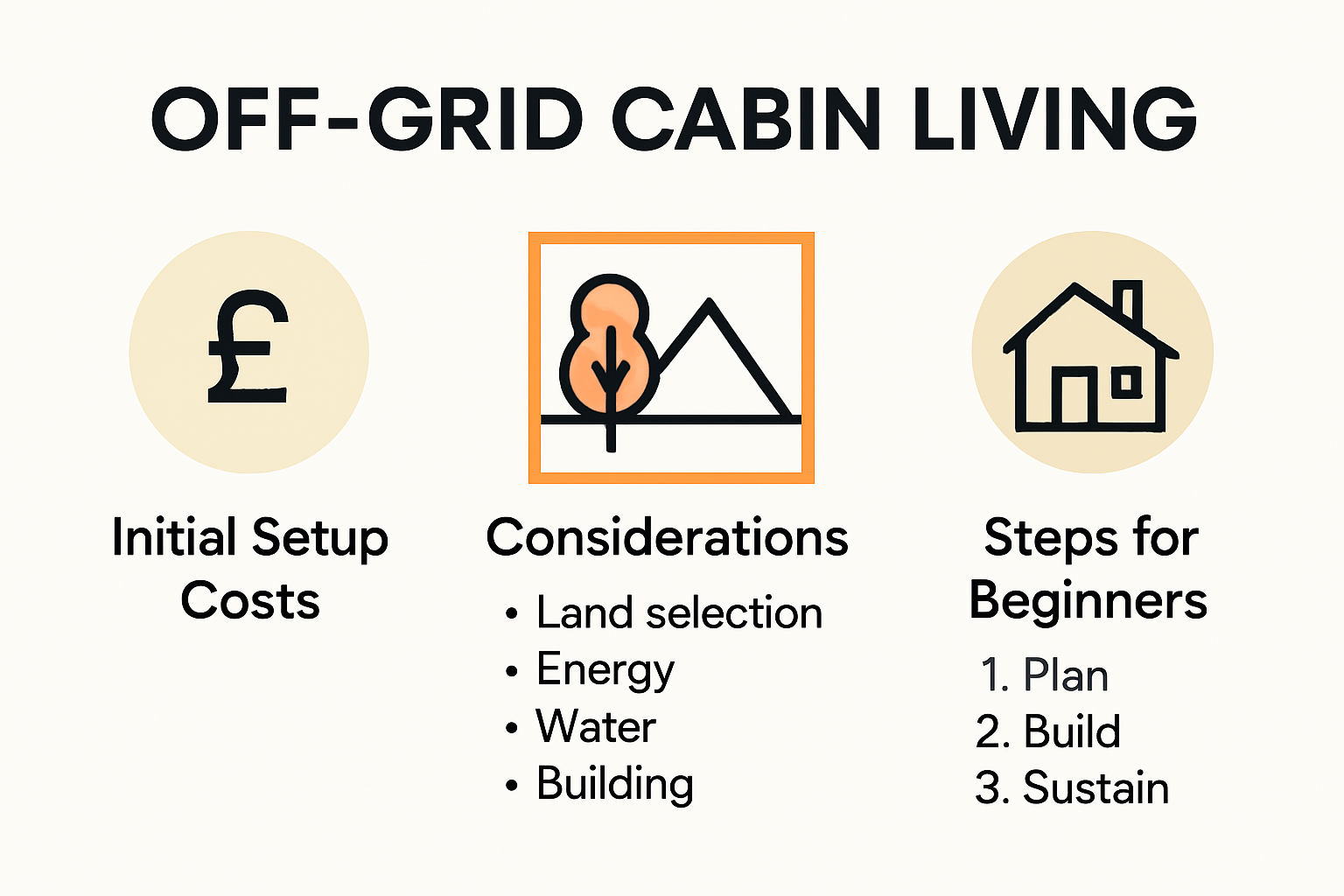
Off grid cabin living is drawing more couples, families, and nature lovers than ever before, with upfront costs that can range from £30,000 to £100,000 for a properly set up retreat. Many dream of total peace and self sufficiency surrounded by forests and rivers. Still, most are surprised when they discover just how much practical know how, daily energy juggling, and resilience it really takes. The twist is this: the true reward does not come simply from disconnecting, but from rebuilding a richer relationship with nature and yourself through every mindful routine and eco friendly choice.
Table of Contents
Quick Summary
Planning Your Off Grid Cabin Retreat
Land Selection and Legal Considerations
Selecting the right location forms the foundation of your off grid cabin experience. According to planning experts, obtaining proper planning permission is mandatory for permanent structures in the UK. Some regions have specific conservation laws and Area of Outstanding Natural Beauty designations that impose additional restrictions on land use and building styles.
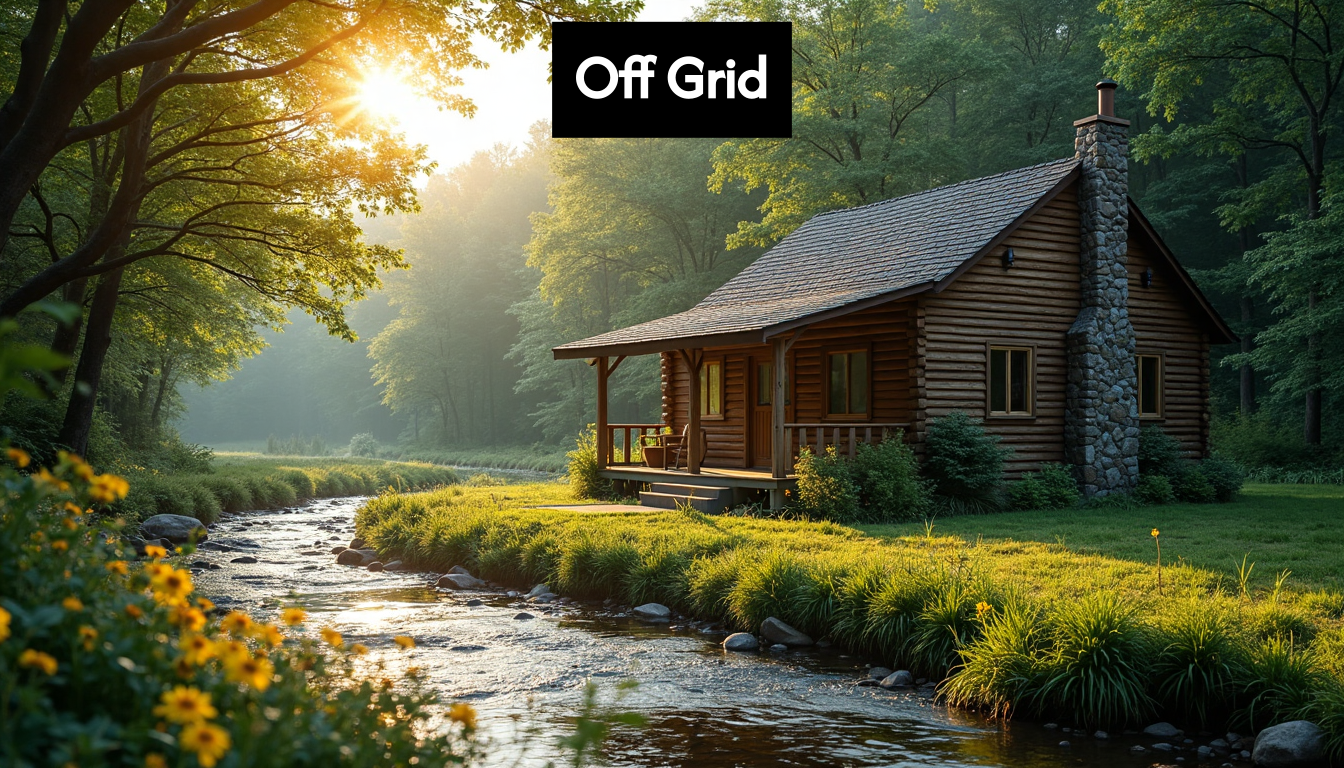
When evaluating potential sites, prioritise locations with these critical characteristics:
- Water Access
: Proximity to a reliable water source such as a stream or potential well location
- Arable Land
: Sufficient space for growing food and potential small-scale agriculture
- Natural Resources
: Access to woodland for shelter, fuel, and sustainable resource management
Infrastructure and Self Sufficiency Planning
Transitioning to off grid cabin living requires robust infrastructure planning. Research from eco experts suggests that while the lifestyle can be environmentally impactful and personally fulfilling, it demands significant upfront investment and technical knowledge.
Key infrastructure considerations include:
- Energy Generation
: Solar panels, wind turbines, or micro-hydro systems for electricity
- Waste Management
: Composting toilets, greywater recycling systems
- Heating and Cooking
: Wood stoves, passive solar design, alternative fuel strategies
Additionally, our guide on planning peaceful retreats offers valuable insights into creating a sustainable and comfortable off grid living environment. Understanding your personal and practical needs before committing to this lifestyle will significantly improve your chances of success.
Budgeting plays a crucial role in off grid cabin planning. Expect initial setup costs to be substantial, potentially ranging from £30,000 to £100,000 depending on your chosen infrastructure, land characteristics, and personal requirements. Comprehensive financial planning and a realistic assessment of ongoing maintenance costs are essential for long term sustainability.
Remember that off grid cabin living is not just about technical solutions but creating a harmonious relationship with your environment. Patience, adaptability, and a genuine commitment to sustainable living will transform this challenging journey into an incredibly rewarding experience.
Everyday Life in an Off Grid Cabin
Off grid cabin living transforms daily routines into a deliberate, mindful experience that challenges conventional lifestyle patterns. Moving beyond simple accommodation, this lifestyle requires reimagining basic tasks through a lens of sustainability, resourcefulness, and intentional living.
Daily Energy Management
Experts suggest becoming an “energy detective” becomes essential in off grid living. Every electrical appliance and energy consumption pattern requires careful consideration. Residents quickly learn to prioritise energy usage, often reserving limited solar or wind generated electricity for critical needs like refrigeration and essential lighting.
Typical energy management strategies include:
- Morning Routines
: Synchronising activities with natural daylight to minimise electricity consumption
- Appliance Selection
: Choosing ultra low energy devices and manual alternatives
- Battery Management
: Monitoring and rationing stored energy carefully
Cooking and Food Preparation
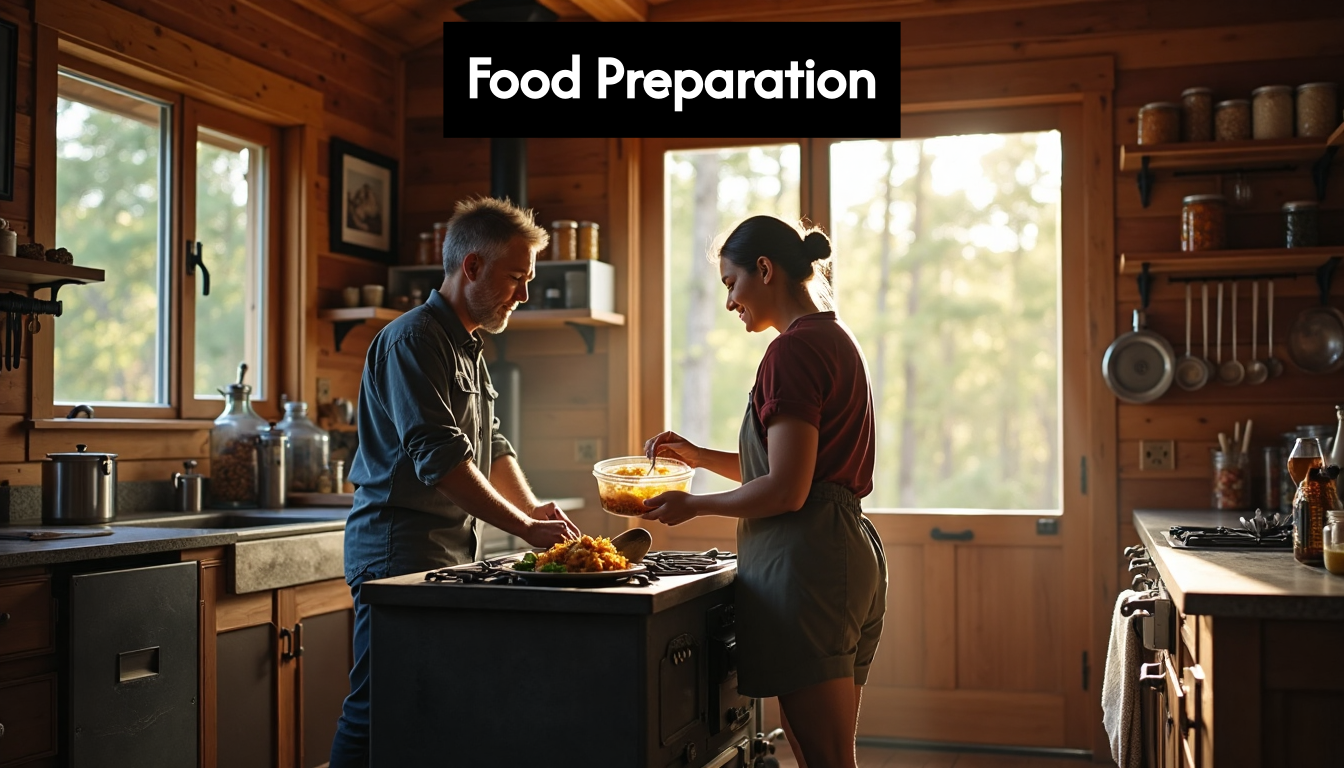
According to off grid living experts, alternative cooking methods become fundamental. Many off grid properties utilise gas hobs or woodburners, preserving electrical capacity for other critical needs. Cooking transforms from a convenience to a deliberate, skill based activity that connects residents more intimately with their food and energy resources.
Key cooking adaptations include:
- Wood Stove Cooking
: Learning traditional techniques for baking, boiling, and slow cooking
- Preservation Methods
: Mastering canning, drying, and fermenting to reduce refrigeration needs
- Garden to Table
: Growing and producing significant portions of daily food requirements
Community and Regulatory Considerations
Research indicates successful off grid living requires navigating local authority regulations while simultaneously building connections with like minded communities. This involves understanding specific building codes, waste management requirements, and maintaining a network of support essential for sustainable independent living.

Our cabin essentials guide provides additional insights into preparing for this transformative lifestyle. Ultimately, off grid cabin living is not merely about technological solutions but cultivating a profound relationship with personal environment, resources, and community.
While challenging, this lifestyle offers unprecedented opportunities for personal growth, environmental stewardship, and reconnecting with fundamental human capabilities often obscured by modern convenience. Patience, adaptability, and continuous learning become the most valuable resources in creating a successful off grid living experience.
Sustainable Living and Eco-Friendly Practices
Sustainable living in an off grid cabin represents more than a lifestyle choice - it is a comprehensive approach to minimising environmental impact while creating a harmonious relationship with natural surroundings. This approach demands intentional design, thoughtful resource management, and a commitment to ecological principles.
Renewable Energy and Carbon Reduction
Research indicates that solar panel installations are among the most effective eco-friendly strategies for off-grid living. A typical 4kW solar panel system can save approximately 1.6 tonnes of carbon dioxide emissions annually, significantly reducing an individual’s carbon footprint compared to traditional grid electricity.
Key renewable energy considerations include:
- Solar Panel Systems
: Maximising energy generation through strategic placement and efficient panel technology
- Wind Turbine Integration
: Complementing solar systems with small-scale wind energy generation
- Battery Storage
: Implementing advanced storage solutions to manage energy surplus and maintain consistent power supply
Water Conservation and Waste Management
Sustainable living experts emphasise the critical role of innovative water management techniques. Rainwater harvesting systems and composting toilets represent transformative approaches to reducing water consumption and environmental impact.
Comprehensive water and waste strategies include:
- Rainwater Collection
: Designing efficient collection and filtration systems
- Greywater Recycling
: Repurposing water from washing and cleaning for garden irrigation
- Composting Waste
: Implementing closed-loop waste management systems that return nutrients to the ecosystem
Sustainable Construction and Design
Ecological design experts recommend prioritising sustainable building materials and energy-efficient design principles. This involves selecting locally sourced wood, incorporating recycled materials, and implementing passive solar heating techniques.
Our cabin essentials guide provides additional insights into creating an environmentally responsible living space. Critical design considerations include:
- Insulation Techniques
: Using natural, high-performance materials to minimise heat loss
- Orientation and Window Placement
: Maximising natural light and thermal efficiency
- Local Material Selection
: Reducing transportation emissions by using regional building resources
Sustainable off grid cabin living transcends technological solutions. It represents a holistic philosophy of living that respects ecological boundaries, celebrates human creativity, and demonstrates our capacity to coexist harmoniously with natural systems. By embracing these principles, individuals can create living spaces that are not just environmentally responsible, but also deeply fulfilling and connected to the natural world.
Top Activities for Nature Enthusiasts and Families
Off grid cabin living offers an extraordinary opportunity for families and nature enthusiasts to reconnect with the natural world, providing immersive experiences that transcend traditional holiday activities. Scientific research confirms that immersing oneself in nature can significantly boost mood, reduce stress, and enhance creative thinking, making these experiences not just enjoyable but fundamentally beneficial for mental wellness.
Wilderness Exploration and Adventure Activities
Experts in eco-tourism highlight the diverse range of activities available for nature lovers. From sunrise watching through panoramic windows to rowing across private lakes and fishing for trout, off grid cabin locations provide unparalleled opportunities for active and contemplative outdoor experiences.
Key adventure activities include:
- Hiking and Trail Walking
: Exploring surrounding landscapes and discovering hidden natural features
- Wildlife Observation
: Learning about local ecosystems and identifying native species
- Foraging and Nature Photography
: Developing skills in identifying edible plants and capturing landscape beauty
Family Learning and Skill Development
As of 2025, off-grid experiences are increasingly designed to offer educational opportunities for families. These experiences go beyond mere recreation, providing structured learning about sustainability, ecology, and self-sufficiency.
Family-friendly learning activities might include:
- Sustainable Gardening Workshops
: Learning about organic cultivation and food production
- Survival Skills Training
: Understanding basic bushcraft and wilderness navigation techniques
- Environmental Conservation Projects
: Participating in local ecosystem restoration or wildlife monitoring
Mindfulness and Wellness in Nature
Our nature retreat guide emphasises the importance of holistic wellness experiences. Off grid cabin locations provide exceptional environments for mindfulness practices, physical rejuvenation, and spiritual reconnection.
Wellness activities to explore:
- Outdoor Yoga and Meditation
: Practicing in natural settings with minimal environmental distractions
- Stargazing and Astronomy
: Exploring night skies free from light pollution
- Sound Healing and Nature Therapy
: Using natural soundscapes for relaxation and mental restoration
Off grid cabin living transforms traditional holiday experiences into profound journeys of discovery. By offering a perfect blend of adventure, education, and personal growth, these experiences invite families and nature enthusiasts to step beyond conventional boundaries and forge deeper connections with the natural world. Whether you’re seeking active exploration or peaceful contemplation, off grid cabin activities provide a transformative approach to experiencing nature’s extraordinary diversity and beauty.
Frequently Asked Questions
What is off grid cabin living?
Off grid cabin living refers to a lifestyle where individuals or families live in cabins away from traditional utility services, relying on renewable energy sources, self-sufficiency, and sustainable practices for daily needs.
What are the initial costs associated with setting up an off grid cabin?
The upfront costs for establishing an off grid cabin can range from £30,000 to £100,000, depending on factors such as land selection, infrastructure needs, and personal requirements for sustainability.
How do I choose the right land for my off grid cabin?
When selecting land for an off grid cabin, prioritise locations with adequate water access, arable land for food production, and natural resources for sustainable living, while also ensuring compliance with local planning regulations.
What energy management strategies are recommended for off grid living?
Effective energy management in off grid living includes synchronising activities with natural daylight, using low-energy appliances, and carefully monitoring battery and energy usage to optimise the limited resources available.
Bridge the Gap Between Off Grid Ambition and Real Relaxation
After exploring the complexities of off grid cabin living in this guide, you might find yourself craving freedom from daily grids, yet hesitant about constant resource management and technical setbacks. The dream of reconnecting with nature often bumps up against practical concerns: sustainable infrastructure, daily energy juggling, and learning every new self sufficiency skill from scratch. Sometimes, what you truly need is a retreat that delivers the same feeling of privacy, serenity, and deep connection to the landscape—without the relentless challenge.
Let Fell Farm Hideaway in Northumberland offer you that balance. Here you can experience peaceful rural living amid ancient woodlands and rolling hills, all from beautifully crafted cabins designed for simplicity and comfort. Enjoy meaningful nature immersion and total stillness, but also benefit from practical conveniences so you can truly unwind. Ready to step into the restorative countryside and leave the technical worries behind? Discover your perfect escape at Fell Farm Hideaway or browse the details of our inviting cabins and essentials checklist to start planning your worry free retreat today.
Comments