How to Plan Cabin Stay: Expert Tips for 2025 Retreat
Planning a cabin retreat is an adventure that can rejuvenate your spirit. Did you know that four in ten UK holidaymakers plan to boost their travel budgets in 2025 by an average of £3,000? However, the budget is just the tip of the iceberg. The truth is, the real magic lies in the details. From the perfect location to unexpected amenities, every choice you make can transform your getaway from ordinary to extraordinary.
Table of Contents
Quick Summary
Choosing Your Ideal Cabin
Selecting the perfect cabin for your retreat is perhaps the most crucial decision you’ll make when planning your cabin stay. Your choice will set the tone for your entire experience, influencing everything from daily activities to the quality of your rest after a day of exploration.
Location Considerations
The location of your cabin dramatically shapes your experience. For those seeking complete seclusion, consider cabins nestled deep in woodlands or perched on hillsides with panoramic views. These remote settings offer unparalleled privacy and connection with nature.
If you’re exploring Northumberland, for instance, you might prefer a cabin with easy access to coastal paths for morning walks along dramatic shorelines. Alternatively, if historical exploration appeals to you, select accommodations near castles and heritage sites.
For families, proximity to amenities becomes essential. A cabin within a short drive of shops, medical facilities, and family-friendly attractions provides convenience without sacrificing the rustic appeal. Many cabin providers now offer detailed maps showing distances to key locations, making this planning aspect more straightforward.
Size and Layout Matters
The internal configuration of your cabin deserves careful consideration, especially for longer stays. Beyond simply counting bedrooms, evaluate the living spaces and how they’ll serve your group’s dynamics.
For couples on romantic getaways, open-plan designs with features like wood-burning stoves create intimate atmospheres perfect for reconnection. Solo travellers might prefer compact, efficient spaces that feel secure and manageable.
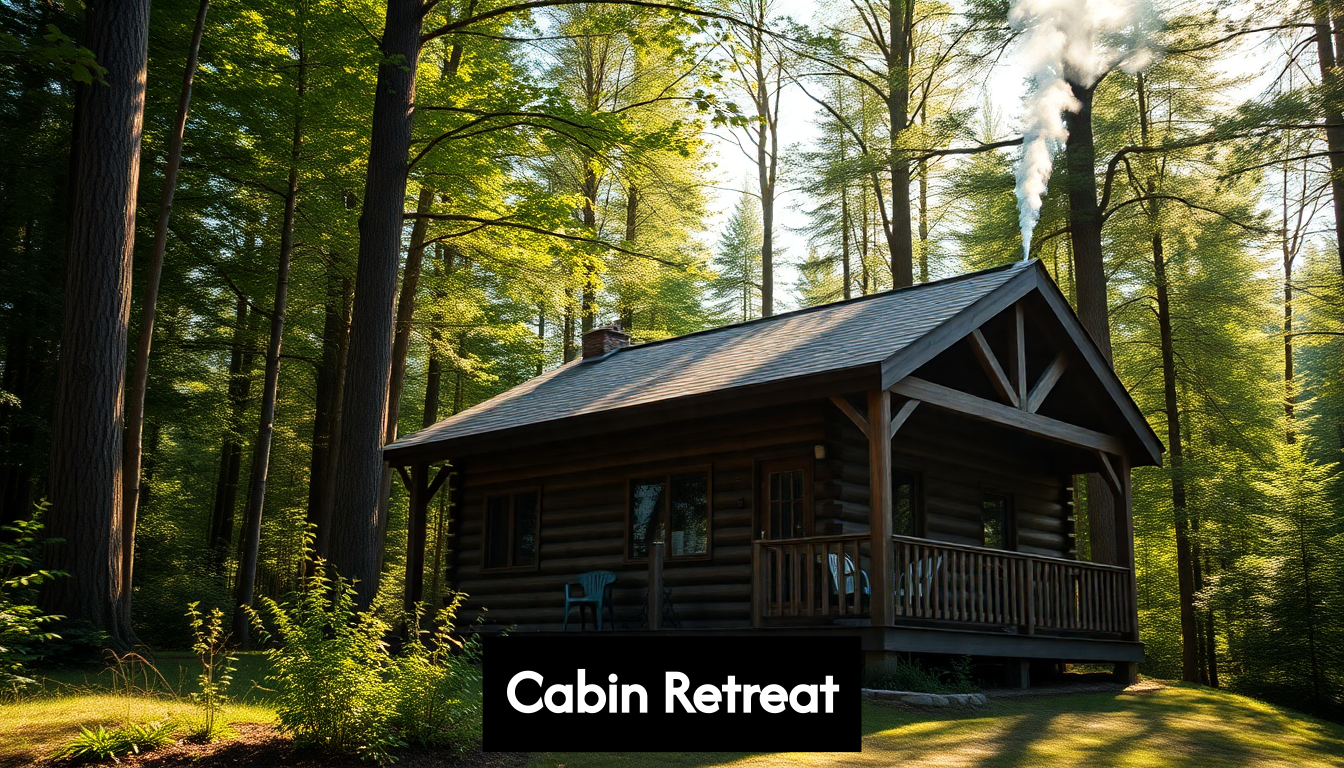
Families, however, benefit from cabins with thoughtful separations between living and sleeping areas. This arrangement allows parents to enjoy evening conversations without disturbing children’s sleep patterns. Check if the cabin offers a mix of king beds for adults and twin configurations for children – these flexible arrangements accommodate various family structures.
The kitchen deserves special attention for self-catering stays. Confirm it has adequate equipment for your planned meals, particularly if you envision cooking becoming part of your holiday experience rather than merely a necessity.
Amenities and Special Features
The amenities offered by cabin properties have evolved significantly in recent years, responding to changing traveller expectations. Basic provisions now extend well beyond simple shelter.
Consider which features would enhance your specific retreat goals. For digital detox seekers, cabins without WiFi or television might be ideal, forcing disconnection from everyday distractions. Conversely, remote workers might require reliable internet connections and workspace options.
Outdoor features often become the most memorable aspects of cabin stays. Hot tubs under starlit skies, fire pits for evening gatherings, or covered decks that allow enjoyment of rainfall without discomfort – these elements create distinctive experiences that standard accommodation rarely provides.
For eco-conscious travellers, sustainability features matter deeply. Some UK cabin providers now offer properties with renewable energy sources, water conservation systems, and eco-friendly construction materials. These thoughtful touches allow you to enjoy nature while minimizing your impact on it.
Walkers and ramblers should investigate storage facilities for muddy boots and wet gear, as well as washing and drying capabilities. These practical considerations become surprisingly important after long days exploring British countryside trails in variable weather.
Ultimately, choosing your ideal cabin revolves around honest assessment of your priorities. The perfect cabin isn’t necessarily the most luxurious or remote, but rather the one that best aligns with your specific vision for your retreat. By carefully considering location, size, layout and amenities that match your needs, you’ll create the foundation for a truly memorable cabin stay that fulfills your expectations and perhaps even exceeds them.
Setting Budget and Booking Dates
Planning a cabin stay requires careful consideration of your financial parameters and timing. Getting these two fundamental elements right sets the foundation for a stress-free retreat experience.
Financial Planning for Your Cabin Retreat
Establishing a realistic budget is your first priority when planning a cabin stay. Recent trends indicate that UK holiday spending is on the rise, with research showing that four in ten UK holidaymakers plan to increase their travel budgets in 2025 by an average of £3,000, with staycations typically requiring over £2,000 according to Aviva’s holiday spending research.
When calculating your cabin stay budget, start with the base accommodation cost, but remember this is just the beginning. Factor in transportation expenses – fuel costs for remote locations can be significant, particularly if you plan day trips during your stay. Food expenses also require careful planning; self-catering accommodations save on restaurant bills but necessitate grocery budgeting.
Activity costs form another important budget category. While many cabin holidays centre around free pursuits like walking and nature appreciation, certain experiences like guided tours, equipment rentals, or attraction entrance fees require additional funds. Setting aside a dedicated activities allowance prevents difficult choices during your stay.
Consider creating a simple spreadsheet with these categories:
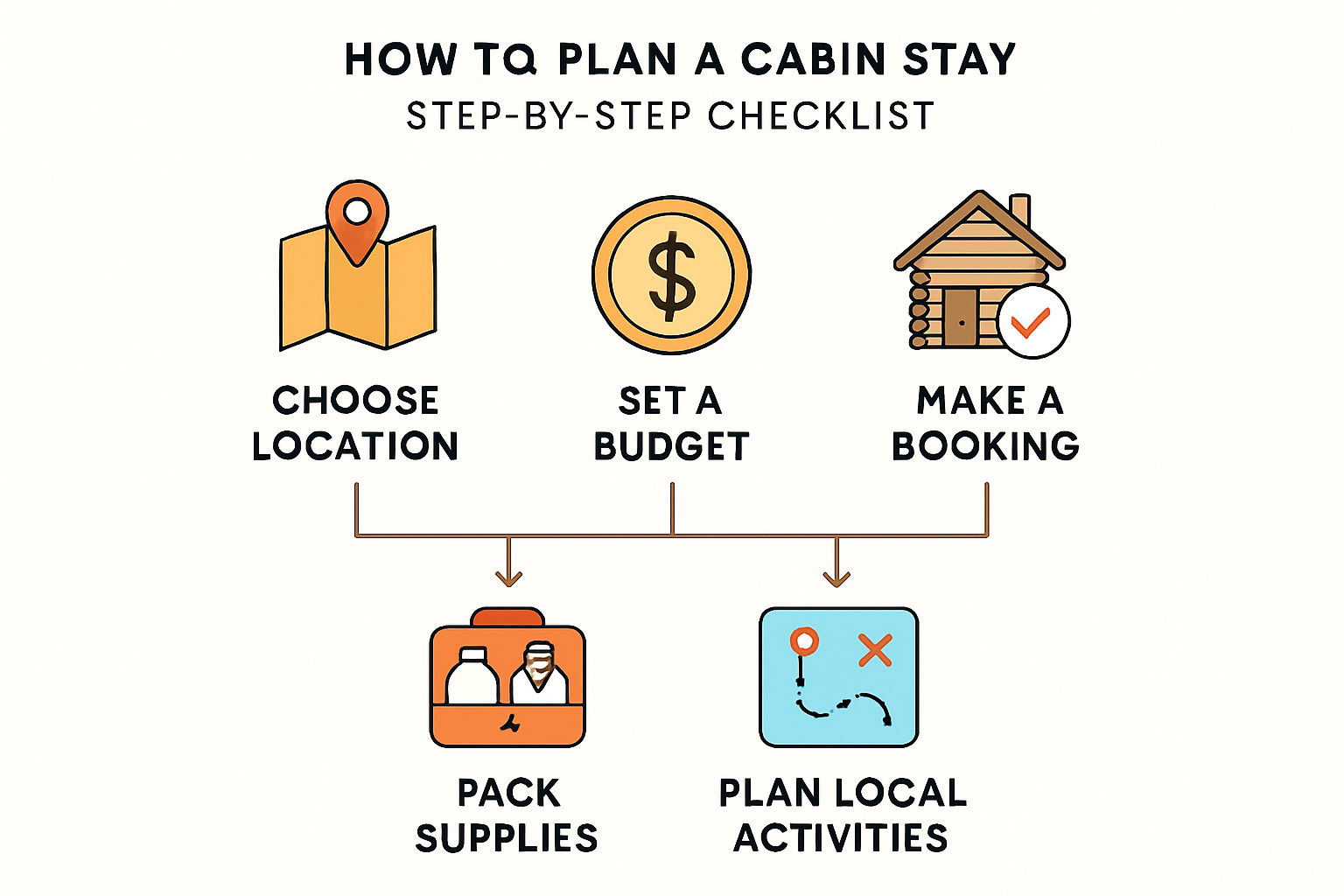
Accommodation (cabin rental)
Transportation (getting there and local travel)
Food and drink (groceries and dining out)
Activities and experiences
Contingency fund (approximately 10% of total budget)
This last category – contingency – is often overlooked but proves invaluable for unexpected expenses or spontaneous opportunities that enhance your retreat experience.
Strategic Timing and Booking Windows
Timing your cabin booking requires balancing availability, pricing, and weather considerations. The growing popularity of domestic holidays means competition for prime properties is intensifying. According to Coast and Country research, 80% of Britons are considering UK holiday accommodation in 2025, a significant increase from the 68% average over previous years, making early booking increasingly important.
For peak periods like summer holidays, half terms, and festive seasons, booking 9-12 months ahead is now advisable for premium cabins. Shoulder seasons (May, June, September, and October) offer excellent value while still providing reasonable weather for outdoor activities.
Weather patterns should influence your timing decisions depending on your planned activities. For walking holidays in mountainous regions, late spring through early autumn provides more reliable conditions. Winter retreats can offer magical experiences with proper preparation – imagine snow-dusted landscapes viewed from a cabin with a crackling fire – but require careful planning for potential travel disruptions.
Many cabin providers offer significant discounts for early bookings or last-minute availability. Setting calendar alerts for 12, 6, and 3 months before your preferred dates allows you to monitor pricing trends and secure the best rates. Additionally, some providers offer reduced rates for longer stays, making a 7-night booking potentially more economical than a 5-night stay.
Flexibility Advantages and Booking Strategies
Maintaining flexibility with your dates can yield substantial savings and enhance availability options. Mid-week stays (Monday-Friday) typically cost less than weekend bookings, sometimes by 20-30%. If your work arrangements permit, these periods also offer the added benefit of fewer fellow travellers at nearby attractions.
Holiday rental rates are predicted to increase in 2024/2025 according to holiday letting market analysis, making price comparison across different booking periods particularly important. Some cabin owners offer direct booking options that bypass platform fees from major holiday sites, potentially saving 10-15% on identical properties.
When booking, carefully review cancellation policies before committing. The unpredictability of British weather and personal circumstances means flexibility holds significant value. Many property owners now offer tiered cancellation options – accepting a slightly higher rate for generous cancellation terms often provides worthwhile peace of mind.
Finally, consider travel insurance that specifically covers holiday rentals. These policies can protect your investment should circumstances prevent your stay, particularly for higher-value bookings or trips planned during unpredictable weather seasons.
By methodically addressing your budget parameters and applying strategic timing to your booking process, you establish a solid foundation for a cabin retreat that delivers the restorative experience you seek without financial stress undermining your enjoyment.
Packing Essentials and Safety Tips
Preparing properly for your cabin stay ensures both comfort and safety, allowing you to fully enjoy your retreat without unnecessary stress or inconvenience. The right packing approach strikes a balance between bringing essential items and avoiding overpacking, which can complicate travel and cabin living.
Clothing and Personal Items
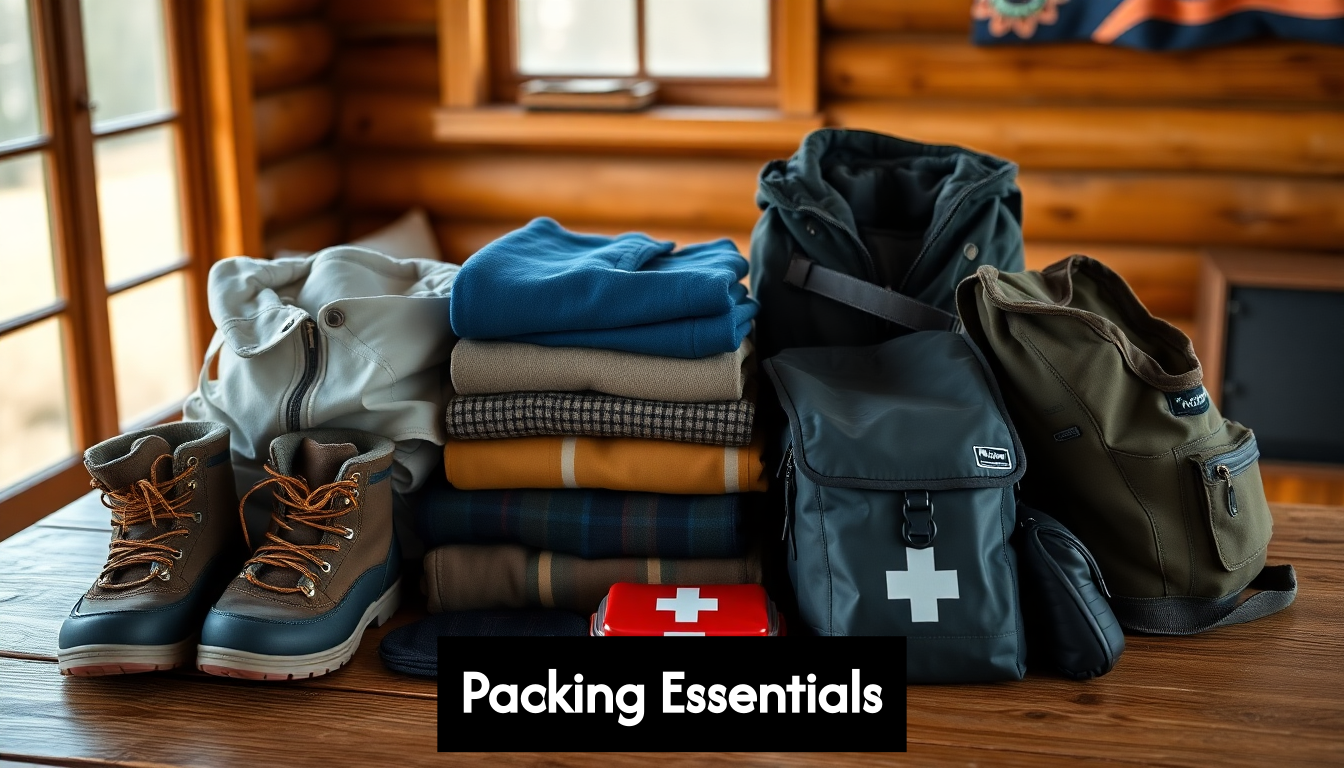
The British climate demands versatile clothing options regardless of season. Layer-based packing proves most effective – think breathable base layers, insulating mid-layers, and waterproof outer layers. This approach allows adaptation to rapidly changing weather conditions common in rural UK settings.
Even summer cabin stays require warm clothing for cool evenings, particularly in northern regions or elevated locations. Pack thermal sleepwear for winter retreats, as many traditional cabins can become chilly overnight despite heating systems.
Footwear requires particular attention. Walking boots with ankle support protect against uneven terrain, while wellington boots prove invaluable for muddy paths after rainfall. Include comfortable indoor footwear like slippers to enhance cosy evenings by the fire.
Consider packing practical laundry solutions, especially for stays exceeding a few days. According to English Cottage Vacation guides, a travel laundry bag, compact detergent, and portable drying rack support hygiene during extended rural stays where washing facilities might be limited.
Safety and Emergency Preparedness
Safety preparation begins with a dedicated first aid kit. While many cabin owners provide basic safety equipment, bringing your own ensures you have familiar supplies when needed. Essential components include adhesive bandages in various sizes, antiseptic wipes, pain relievers, allergy medications, and any personal prescriptions.
Packing for potential power disruptions proves wise, particularly in remote locations during inclement weather. A flashlight or headlamp with extra batteries, portable phone charger, and waterproof matches or lighters support basic functioning during outages. Battery-powered lanterns create both practical lighting and ambient atmosphere during evening power cuts.
Emergency contact information deserves dedicated attention. Before departure, compile a list including:
Your cabin’s exact address and what3words location (increasingly used by emergency services for remote spots)
Local emergency service numbers (though 999 works throughout the UK)
Nearest hospital with 24-hour emergency services
Your cabin owner or management contact
Your insurance emergency assistance number
Store this information both digitally and in printed form, ensuring accessibility regardless of technology availability. Many remote locations have limited mobile reception, so research coverage in advance and consider downloading offline maps for your area.
Practical Comfort Enhancers
Thoughtfully chosen additional items can significantly elevate your cabin experience. For outdoor activities, consider recycled dry bags to store wet clothing after rainy walks and a collapsible daypack for carrying essentials during excursions. Insect bite relief products prove invaluable during summer months, particularly near water features.
Kitchen conveniences merit consideration despite most cabins offering basic cooking equipment. A small selection of favourite spices, a quality knife (safely packed), and specialty items like a coffee press can transform basic self-catering into enjoyable culinary experiences. Reusable food storage containers facilitate picnic preparation and leftover management.
For maximizing enjoyment of natural surroundings, compact binoculars enhance wildlife viewing opportunities, while field guides helping identify local flora and fauna deepen your connection to the landscape. A dedicated camera (beyond your phone) captures memorable moments without depleting your communication device’s battery.
Entertainment options suited to cabin living include traditional board games, playing cards, and books – particularly relevant for evenings and rainy periods. While many modern cabins offer WiFi, download films, music, or reading material before arrival to avoid frustration with potentially limited rural broadband speeds.
Finally, consider wellness items that complement your retreat goals. A yoga mat enables morning stretches on outdoor decking, while aromatherapy products enhance relaxation in rustic settings. Reusable water bottles support hydration during activities while reducing plastic waste.
By thoughtfully preparing both essential safety items and comfort enhancers, you create the conditions for a cabin stay that feels simultaneously secure and indulgent – the perfect combination for truly restorative retreat experiences in Britain’s beautiful natural settings.
Exploring Nearby Attractions and Activities
While the cosy ambiance of your cabin might tempt you to stay indoors, exploring the surrounding area adds immeasurable value to your retreat experience. Most cabin locations are strategically positioned to provide access to natural beauty and cultural attractions, making local exploration an essential element of your stay.
Researching Local Opportunities
Effective pre-trip research transforms random wandering into purposeful exploration. Begin by investigating attractions within various distance rings from your cabin—those within walking distance, those requiring a short drive (under 30 minutes), and day-trip destinations (up to 90 minutes away). This tiered approach helps prioritize activities based on weather conditions and energy levels during your stay.
Many cabin owners compile personalized guides highlighting local gems that tourists might otherwise miss. Request these resources when booking, as they often include insights unavailable in commercial travel guides. Local knowledge can lead you to hidden footpaths, secluded swimming spots, or family-run eateries serving regional specialties.
Digital resources like AllTrails and Ordnance Survey’s OS Maps app help identify walking routes suitable for your group’s abilities. Download these resources before arrival, as rural internet connections can prove unreliable. County tourism websites typically feature well-curated attraction listings separated by interest category, simplifying itinerary planning.
Research from the London School of Economics indicates that holiday rental guests significantly contribute to local economies by exploring nearby attractions and supporting local businesses. This mutually beneficial relationship explains why proximity to attractions consistently ranks as a key factor in accommodation ratings across major booking platforms.
Natural Wonders and Outdoor Pursuits
The natural landscape surrounding your cabin often provides the most memorable experiences. National parks and Areas of Outstanding Natural Beauty offer marked walking trails ranging from gentle strolls to challenging hikes. Research paths with circular routes beginning near your cabin to eliminate the need for complex transportation arrangements.
Water features—whether coastlines, lakes, or rivers—provide focal points for activities. Depending on location and season, these might include wild swimming, paddleboarding, kayaking, or simply peaceful bankside picnicking. Many rural water sports providers offer equipment rental and beginner instruction, making these activities accessible without bringing specialized gear.
For wildlife enthusiasts, dawn and dusk excursions yield the richest observation opportunities. Research local species to watch for in your region, and consider visiting nearby nature reserves with professional guides who enhance the experience through their expert knowledge of habitats and animal behaviors.
Off-grid eco-lodges have become increasingly popular for their unique retreat experiences while still offering access to natural attractions. Guests particularly value locations surrounded by forest and farm life for rejuvenating weekend getaways, according to TimeOut London’s accommodation research.
Cultural Heritage and Local Flavours
Britain’s countryside brims with historical sites ranging from ancient monuments to stately homes. English Heritage and National Trust properties often combine cultural interest with beautiful grounds, making them perfect day-trip destinations regardless of weather. Many offer special exhibitions and family activities during holiday periods.
Rural Britain preserves countless market towns where centuries-old architecture houses contemporary shops and eateries. These settlements provide atmospheric browsing opportunities while offering practical services like groceries and pharmacies. Weekly markets, often held in town squares, showcase local produce and crafts, providing both shopping opportunities and cultural immersion.
Local food and drink experiences have become increasingly sophisticated throughout rural Britain. Farm shops sell produce harvested within miles of your cabin, while microbreweries and distilleries frequently offer tours explaining traditional production methods. Seasonal food festivals celebrate regional specialties, from seafood to cheese to orchard fruits, depending on your location and timing.
For evening entertainment, investigate village pubs hosting live music, quiz nights, or storytelling events. These gatherings welcome visitors and provide authentic glimpses into local community life. Rural cinemas and arts centres increasingly program interesting films and performances, offering cultural experiences beyond major cities.
Seasonal events add special dimensions to rural explorations. From summer agricultural shows to autumn harvest festivals to winter light displays, these celebrations offer windows into regional traditions and contemporary rural life. Check local event calendars when planning your stay, as these gatherings often become trip highlights.
By thoughtfully balancing cabin relaxation with local exploration, you create a retreat that offers both restful seclusion and enriching discoveries. The contrast between peaceful cabin evenings and active days investigating the surrounding landscape and culture creates the perfect rhythm for a truly restorative holiday experience.
Frequently Asked Questions
What should I consider when choosing a cabin location?
The location of your cabin is crucial for your experience. Consider whether you prefer seclusion, proximity to attractions, or convenience for family needs, such as access to shops and medical facilities. Research local amenities and natural attractions to enhance your stay.
How can I effectively budget for a cabin retreat?
Start by calculating the base accommodation cost and include transportation, food, activities, and a contingency fund (approximately 10% of the total budget). This comprehensive approach ensures you are prepared for both planned expenses and unexpected costs during your stay.
What essentials should I pack for a UK cabin stay?
Pack versatile clothing layers to adapt to the weather, comfortable walking shoes, a basic first aid kit, and practical laundry solutions. Bring personal items that enhance comfort, like a yoga mat or favourite spices for cooking, to make your retreat more enjoyable.
How can I find local activities near my cabin?
Research local attractions online before your trip and inquire with cabin owners for personalized recommendations. Explore various distances from your cabin for diverse activities, including outdoor pursuits and cultural sites, to make the most of your getaway.
Discover Your Perfect Cabin Retreat at Fell Farm Hideaway
As you dive into planning your ideal cabin getaway, you might find yourself facing a myriad of choices—from selecting the perfect location to managing your budget effectively. The challenge lies not just in picking a cabin, but in crafting a serene retreat that allows you to disconnect and reconnect with the essence of nature.
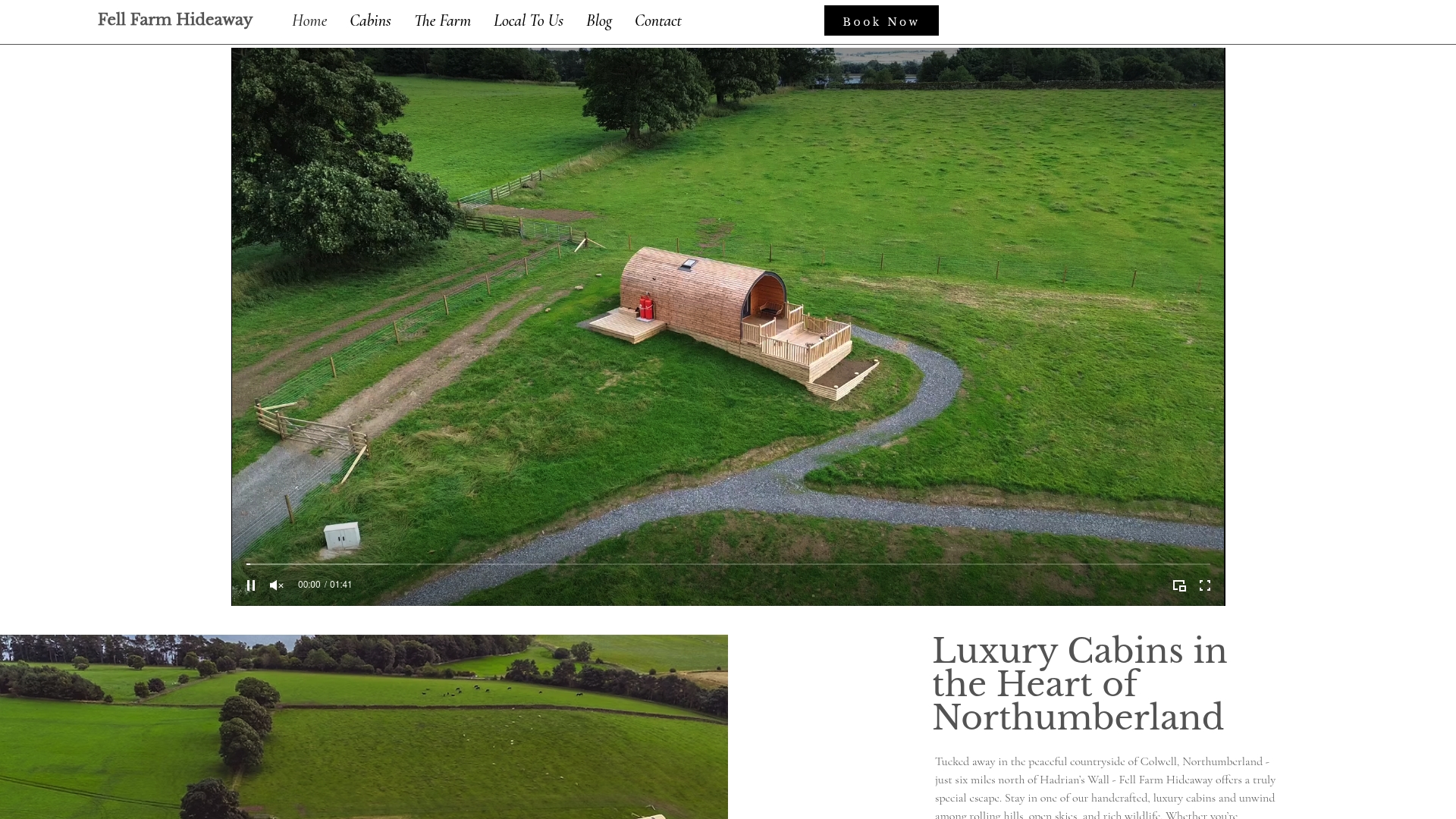
At Fell Farm Hideaway, we understand the longing for a retreat that balances simplicity with modern comfort. Our beautifully crafted cabins—HoneyMug, Hope, and Hail Hill—are thoughtfully designed to provide a tranquil escape amid Northumberland’s breathtaking landscapes. Here, you can wake up to birdsong, explore scenic trails right from your door, and immerse yourself in the rich tapestry of local culture without the distractions of modern life.
Find your peace today! Don’t miss the chance to secure your ideal getaway at Fell Farm Hideaway. Whether you’re seeking a romantic weekend, a creative solo escape, or a family adventure amidst nature, our cabins are ready to welcome you. Experience the wholesome joys of rural life and book your stay now at Fell Farm Hideaway for an unforgettable 2025 retreat!
Comments